- Posted March 19, 2026
Thymus Gland Health May Be Key to Long Life and Fighting Cancer
For decades, medical students were taught that the thymus -- a small, butterfly-shaped gland in the upper chest -- was essentially inactive once a person hit puberty.
But new research suggests this overlooked organ may actually be a master switch for how well people age and survive life-threatening diseases.
Researchers from Mass General Brigham in Boston used artificial intelligence (AI) to analyze more than 27,000 medical scans. They discovered that adults with a healthy, active thymus live longer and are significantly better at fighting off cancer and heart disease.
The findings, published March 18 in two studies in the journal Nature, could change how doctors predict a patient's long-term health.
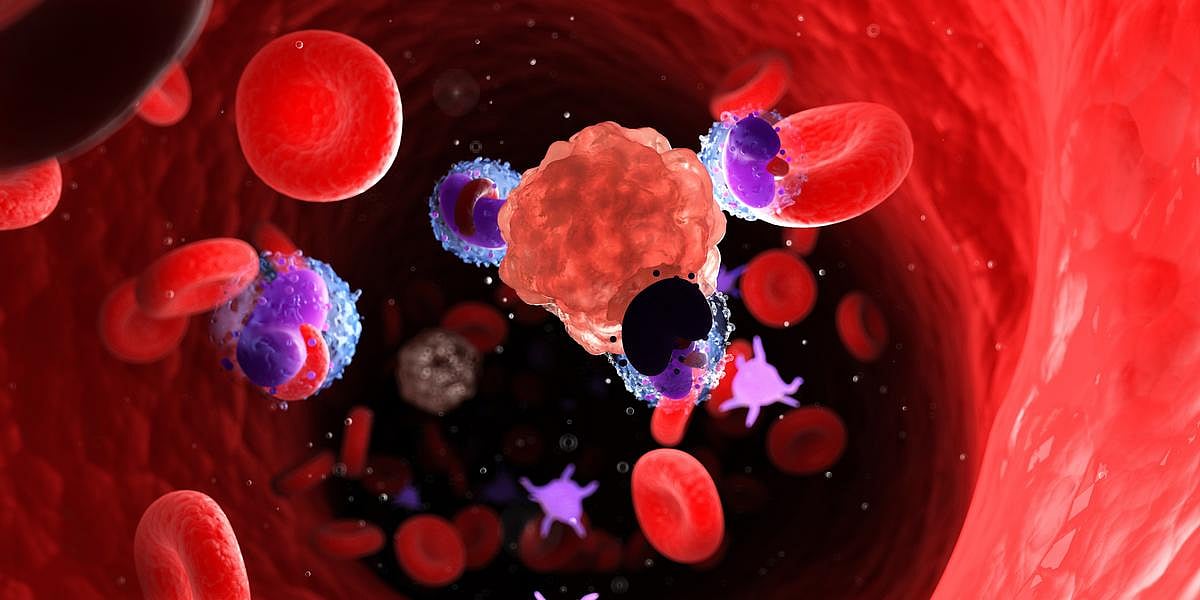
The thymus serves as a training camp for T-cells, the elite soldiers of the immune system that identify and destroy infections and rogue cancer cells. It sits behind the chest bone just under the throat area.
While the organ naturally shrinks as people age, the study found that the character and speed of this shrinking process vary widely between people. Researchers referred to this process as "thymic decay."
“The thymus has been overlooked for decades and may be a missing piece in explaining why people age differently, and why cancer treatments fail in some patients,” said Hugo Aerts, director of the Artificial Intelligence in Medicine Program at Mass General Brigham.
The two new studies relied on scans and other data collected during the National Lung Screening Trial and participants in the ongoing Framingham Heart Study.
Using the scans, the AI model analyzed the size and composition of the thymus to give patients a thymic health score. It found that people with high, healthy thymic scores showed:
A 50% lower risk of dying prematurely from any cause
A 63% lower risk of death from heart-related issues
A 36% lower risk of developing lung cancer
The benefits extended into the doctor's office for those already fighting cancer. In the second study of 1,200 patients receiving immunotherapy, those with a robust thymus had a 37% lower risk of their cancer getting worse and a 44% lower risk of death.
Researchers found that the thymus doesn't just fail on its own -- lifestyle choices play a major role. Smoking, high body weight and constant inflammation were all tied to a weaker thymus.
“Improving our understanding and monitoring of thymic health could eventually help physicians better assess disease risk and guide treatment decisions,” Aerts said.
Researchers noted that their findings need to be confirmed in future studies. They also propose looking at whether changing lifestyle factors might improve thymic function and if therapies like radiation might affect the thymus health.
More information
The National Institute of Allergy and Infectious Diseases has more about how your immune system works and the organs that support it.
SOURCES: Mass General Brigham, news release, March 18, 2026; Nature, March 18, 2026
