- Posted December 10, 2025
TikTok Videos On Gout Misleading, Inaccurate, Experts Say
Gout patients shouldn’t trust TikTok videos for advice on managing their condition, a new study says.
Most videos portray gout flares as a personal choice that can be alleviated through a healthy diet and less booze, researchers reported today in the journal Rheumatology Advances in Practice.
The videos fail to focus on effective medical treatments for gout, including drugs that lower uric aid levels and reduce swelling, researchers said.
“TikTok promotes a wide range of information about gout that may be misleading or inconsistent with medical guidelines,” a team led by Samuela Ofanoa, a research fellow at the University of Auckland in New Zealand, concluded.
“The majority of videos highlighted dietary risk factors and management strategies, potentially reinforcing stigma and individual blame,” researchers wrote. “Herbal remedies and dietary supplements, which lack scientific validation, were also common.”
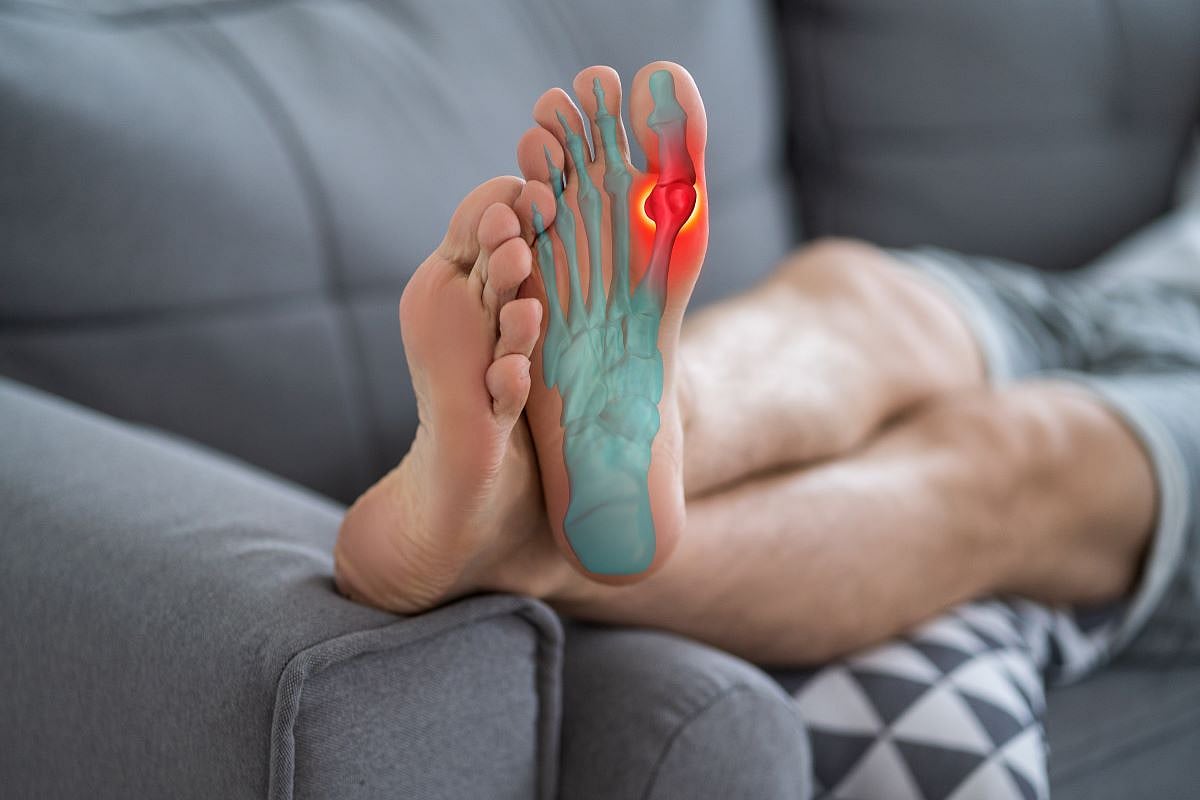
Gout is a painful inflammatory arthritis caused by high levels of uric acid in the blood. Uric acid crystallizes and forms deposits in the joints, causing painful swelling in the hands and feet.
An estimated 41 million people worldwide suffer from gout, with about 7 million new cases every year, researchers said in background notes.
For the new study, researchers analyzed 116 TikTok videos that came up when searching for the term “gout.”
About 45% of videos mentioned risk factors for gout, with 90% blaming the health problem on diet and lifestyle choices, researchers found.
Diet and alcohol are risk factors for gout flares, but genetics, kidney impairment and weight play a significantly greater role, researchers said.
Likewise, 79% of TikTok videos addressed gout management, but 53% of those focused on diet advice.
For example, some videos reported foods to avoid. One patient hospitalized for gout said viewers “can reduce your incidences of gout if you cut back on your salt, your alcohol and your red meat,” researchers said.
Videos also commonly referenced supplements, herbal and home remedies for gout management, promoting products such as “pills made from pure herbs, with no hormones and no side effects,” researchers said.
However, diet has limited long-term effectiveness in treating gout, researchers said.
Only seven of the 116 videos discussed medications to manage gout, and results showed these mainly focused on pain relief options such as steroids or over-the-counter pain relievers like ibuprofen and naproxen.
Just two TikTok videos mentioned using drugs like allopurinol to lower uric acid levels in the bloodstream, even though this is the standard treatment recommended by rheumatologists, researchers said.
"TikTok has great potential as a tool to raise awareness around health issues such as gout and promote information that aligns with clinical guidelines," ‘Ofanoa said.
"In an increasingly digital world, there is a need for more health professionals and organizations to seize the opportunity that social media platforms present, and create content that can counter misinformation and improve understanding about gout in our communities,” ‘Ofanoa continued.
More information
The Arthritis Foundation has more on gout.
SOURCES: Oxford University Press, news release, Dec. 10, 2025; Rheumatology Advances in Practice, Dec. 10, 2025
What This Means For You
Gout patients should ask their doctor for advice on managing their condition, rather than turning to TikTok.
